
Services

Four ways to work with EESYS, from a two-week review to ongoing senior support. Every engagement has a written scope, price, timeline and set of exclusions before you commit. Fixed price, quoted after a short call, apart from the Health Check below.

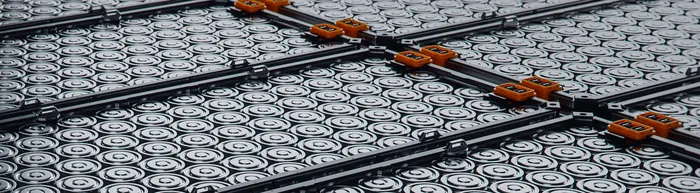
Close-up of an EV battery pack's cell array, showing the module busbar rails and orange high-voltage connector clips crossing between rows of cylindrical cells.

01

Independent Design Reviews

For: a Head of Engineering or CTO with an HV battery design at concept or pre-freeze, or a buyer about to sign a pack supplier.

The problem: nobody independent has challenged the design or the supplier's claims.

Battery Design Health Check — £1,950 + VAT

A desk review of your existing documents under NDA. You receive a report ranking the top ten risks by severity and cost to fix later, a recommended-actions list, and a 60-minute debrief call. About two weeks. The fee paid is credited against a full review or work package ordered within 60 days.

Independent Battery Design Review

The full review: HV architecture; contactor, pre-charge and fusing strategy; isolation monitoring and creepage and clearance (IEC 60664); BMS functional coverage; requirements quality and traceability; DFMEA coverage; verification coverage; supplier evidence gaps. You receive a review report with findings, severity, clause references and recommended fixes, a risk register, and a review meeting. Typically four to six weeks elapsed.
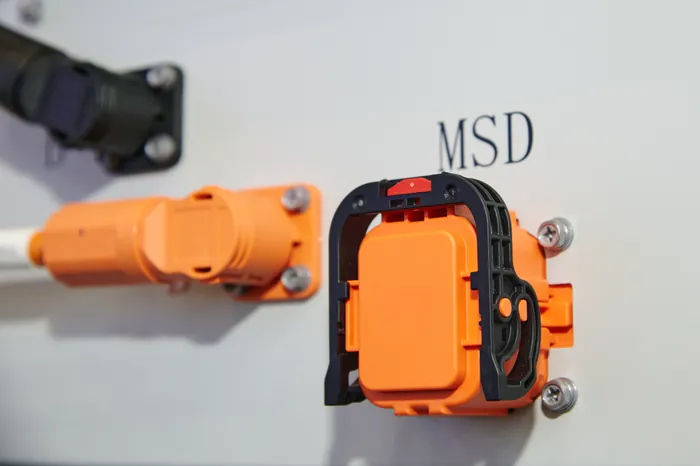

Close-up of an orange, high-voltage manual service disconnect switch and connector on an EV battery system, colour-coded per HV safety convention.

02

Battery Engineering Work Packages

Fixed-scope packages, quoted after a short discovery call:

  • battery architecture concept or trade study;
  • system and sub-system requirements specification with traceability, built in your tool;
  • creepage and clearance and insulation coordination analysis (IEC 60664);
  • DFMEA facilitation and write-up, and fault tree analysis;
  • HV safety concept, and battery and BMS functional safety;
  • test specification and verification plan;
  • supplier technical evaluation: the technical part of an RFQ, bid scoring and supplier evidence review.
Close-up of an oscilloscope screen displaying several overlapping coloured voltage waveforms during electronic testing.

03

Type-Approval Readiness: UN R100 or UN R136

The problem: a failed or late test can cost a retest and weeks of programme delay.

A gap assessment of your design and existing evidence against the applicable regulation (UN R100 for M, N and O category vehicles; UN R136 for L-category), an evidence plan covering tests, documentation and the thermal propagation argument, and a readiness checklist for the test house. You receive a gap matrix, the evidence plan and a prioritised action list. Typically three to five weeks elapsed.

Readiness work is advisory. Approval is granted by the technical service and the approval authority.

An engineer in a white shirt annotates a paper blueprint by hand with a pen, with a translucent overlay of technical line-drawings superimposed over the scene.

04

Fractional Chief Battery Engineer

For: low-volume makers and start-ups without a senior battery lead.

Up to three days a month of design reviews, supplier meetings, architecture decisions and technical due-diligence input, with asynchronous support in between. Three-month minimum, billed monthly in advance.

What every engagement excludes

  • Physical HV work or live testing.
  • Vehicle or product release sign-off.
  • Certification or approval decisions.
  • Legal advice.
  • Findings are based on the documents supplied.